Propane Heater Under Covered Patio: A Master Guide to Safety and Style 2026
Safety is the ultimate luxury. While the amber glow of a flame adds undeniable charm, the decision to place a propane heater under covered patio structures often comes with a side of hesitation. You've likely spent years perfecting your outdoor sanctuary, and the fear of damaging a beautiful wood ceiling or compromising air quality is completely valid. It's a common dilemma for the visionary host: how do you maintain a warm, inviting atmosphere when the temperature drops without risking the integrity of your home?
We understand that true comfort requires absolute confidence in your environment. This guide will show you exactly how to safely integrate high-output propane heating into your space without sacrificing an ounce of style. You'll learn how to calculate precise BTU needs for semi-enclosed areas, navigate the nuances of clearance requirements for metal and wood gazebos, and select premium fixtures that enhance your aesthetic. We're moving beyond basic utility to help you create a year-round haven that feels as secure as it is sophisticated. From technical safety protocols to curated design choices, your transition to a four-season retreat begins here.
Key Takeaways
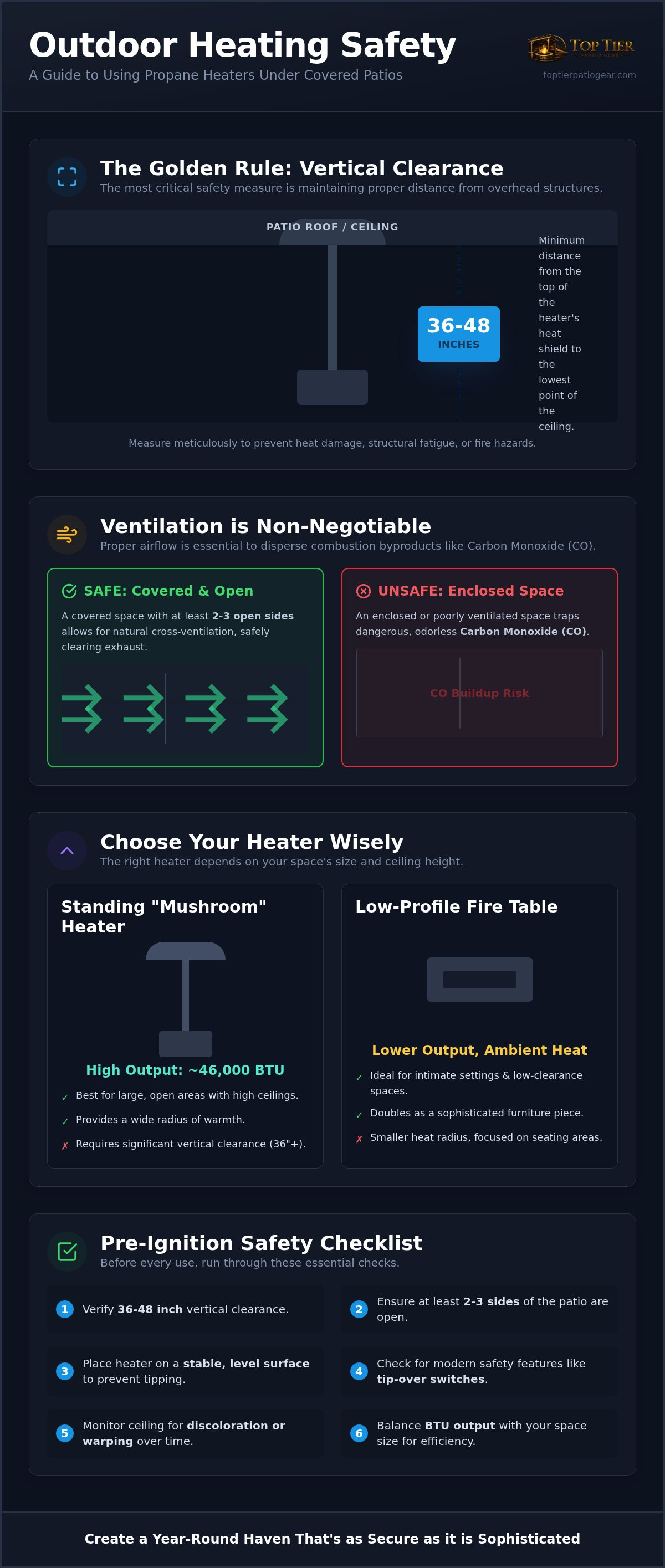
- Master the 36-to-48 inch vertical clearance rule to protect your gazebo or patio roof from heat damage while maintaining a comfortable temperature.
- Calculate the "Goldilocks" BTU output for your space by balancing square footage with ceiling height to ensure efficient, safe warmth.
- Learn the essential ventilation protocols for operating a propane heater under covered patio structures to prevent carbon monoxide buildup in semi-enclosed environments.
- Identify when to choose high-output 46,000 BTU standing heaters for large areas versus low-profile fire tables for more intimate, low-clearance settings.
- Curate a sophisticated winter sanctuary by matching premium aluminum heating solutions with modern furniture for a cohesive, high-end outdoor aesthetic.
Navigating the Safety of Propane Heat Under Patio Covers
A visionary host understands that a truly luxurious outdoor experience relies on the invisible harmony of safety and warmth. When you introduce a propane heater under covered patio structures, you are managing a powerful energy source that requires respect for the laws of physics. Unlike electric alternatives, propane relies on combustion. This process consumes oxygen while releasing heat and various byproducts. Mastering this balance ensures your 12x20 Hardtop Gazebo remains a safe sanctuary rather than a heat trap.
Propane is a high-density fuel that provides immediate, intense warmth. However, heat naturally rises and can accumulate against a ceiling. If your patio is too enclosed, carbon monoxide, a colorless and odorless byproduct, can build up. Understanding the evolution of gas heater technology helps you appreciate why ventilation isn't just a recommendation; it's a structural requirement. Safety is the foundation of every memorable evening.
There's a vital distinction between a covered space and an enclosed one. A covered patio with at least two or three open sides allows for the natural cross-ventilation necessary to disperse exhaust. If you've added screens to your Alora Modern Outdoor Adjustable Pergola, you've changed the airflow dynamics. Safety resides in the movement of air. You want the warmth to linger while the byproducts of combustion drift away into the night.
Understanding Ventilation and Air Quality
Modern, high-end units like the 46000 Btus Aluminum Propane Standing Patio Heater often feature oxygen depletion sensors. These internal guards monitor the environment and automatically shut down the unit if oxygen levels dip. Even with these features, you should watch for signs of poor ventilation. If you notice persistent condensation on the underside of your roof or a lingering heavy feeling in the air, your space needs more circulation. An open-air environment should always feel fresh, never stifling, even when using a propane heater under covered patio roofs.
Combustion Basics for the Sophisticated Homeowner
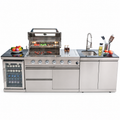
Propane offers a distinct advantage in portability and heat density compared to natural gas. It doesn't require permanent lines, giving you the freedom to position your warmth exactly where guests gather. However, this portability requires a stable, level surface to prevent tipping. Professional-grade equipment, such as the Matteau Low 60 In. L X 12 In. H Outdoor Rectangular Concrete Composite Propane Fire Table, uses weight and material integrity to provide a secure foundation. Investing in quality gear reduces the anxieties associated with heating, allowing you to focus on the connection and memories being made.
The Science of Clearance: Protecting Your Structures
Precision is the hallmark of a well-curated home. When you position a propane heater under covered patio ceilings, the margin for error is measured in inches. Safety experts and manufacturers generally agree on the 36-to-48 inch rule. This standard dictates that the top of your heater's reflector shield must remain at least three to four feet away from any overhead structure. This vertical buffer prevents the accumulation of radiant heat that could otherwise lead to structural fatigue or ignition.
Calculating this distance requires a meticulous approach. Always measure from the highest point of the heat shield to the lowest point of the ceiling. It's also wise to consult professional guidance on fire safety with outdoor heaters to ensure your specific layout meets local standards. Remember that wind patterns under a cover can act unpredictably. A sudden gust can deflect heat plumes toward a support beam or a curtain, making structural monitoring a seasonal necessity. Watch for subtle signs of warping or discoloration on your ceiling; these indicate a need for more space.
Heating Under Metal Gazebos and Pergolas
Structures like the 12x20 Hardtop Gazebo with Metal Roof offer superior resilience compared to fabric or wood. Metal roofs possess reflective properties that help dissipate heat, yet they can still become hot to the touch. For owners of the Alora Modern Outdoor Adjustable Pergola, placement is even more dynamic. Adjusting the louvers allows for immediate heat release, though you should still maintain the standard clearance to protect the powder-coated finish of the aluminum. If you're looking to upgrade your structure, exploring premium hardtop gazebos ensures you have a foundation built for year-round utility.
Safety Protocols for Wood Octagon Enclosures
Wood requires a higher level of vigilance. The DIY Meridian 12 Ft. Octagon Enclosed Wood Outdoor Patio Gazebo is a masterpiece of craftsmanship, but cedar and pressure-treated lumber have specific combustibility ratings. We recommend increasing your vertical clearance to at least 48 inches for wood structures. Consider adding a heat deflector to the top of your standing heater to redirect warmth horizontally. This protects the intricate joinery of your gazebo's peak from long-term drying or cracking caused by rising thermal energy.
Wall and Furniture Clearances
Your furniture deserves the same protection as your roof. Maintain a three-foot perimeter around 8-piece patio furniture sets and swivel rocking chairs to prevent radiant heat from degrading outdoor fabrics. If your ceiling height is a concern, low-profile options like the Matteau Low 60 In. Concrete Composite Propane Fire Table provide exceptional flexibility. By keeping the heat source closer to the ground, you maximize comfort while significantly increasing the safety gap between the flame and your patio cover.
Comparing Heating Profiles for Covered Outdoor Spaces
Selecting the ideal heating profile requires a balance between raw power and atmospheric subtlety. When you integrate a propane heater under covered patio roofs, you are choosing a specific type of thermal experience. Propane units are celebrated for their high-intensity output, often reaching 46,000 BTUs. This volume of heat is designed to cut through a winter chill, making it the definitive power move for expansive patios. In contrast, electric models like the 50 Hz Portable Electric Outdoor Patio Space Heater offer a different advantage. They provide silent, infrared warmth that doesn't rely on airflow, making them excellent for tighter spaces where clearance is at a premium.
The sensory experience also differs significantly between these two energy sources. Propane provides a visible, flickering flame that creates an immediate sense of connection and heritage. It mimics the ancient draw of a hearth. Electric heat is invisible and clinical; it warms objects rather than the air itself. For the host who prioritizes ambiance, the amber glow of a propane flame is often non-negotiable. However, if your design calls for a minimalist, "set and forget" approach, the silent operation of infrared might be your preference.
Operating costs in 2026 reflect a stable market for the sophisticated homeowner. Based on data from March 2026, the U.S. average residential propane price was approximately $2.674 per gallon. A standard 20-pound tank typically provides 10 hours of high-output warmth, which remains a competitive investment for seasonal comfort. While electric units may have lower hourly costs in some regions, they often lack the sheer "throw" of heat required to warm a large, open-air gazebo during a true cold snap.
The Case for Standing Propane Heaters
Portability defines the standing propane unit. These heaters allow you to move the warmth as your social dynamic shifts, whether you are hosting a formal dinner or a casual evening by the rocking chairs. They provide instant, radiant heat the moment they are ignited. For a deeper dive into which technology suits your lifestyle, consult our guide on propane vs electric patio heaters. This flexibility is essential for a propane heater under covered patio structures that serve multiple functions throughout the year.
Low-Profile Fire Tables as Primary Heat Sources
Refined aesthetics meet practical safety in the Matteau Low 60 In. L X 12 In. H Outdoor Rectangular Concrete Composite Propane Fire Table. This piece is the ultimate solution for spaces with lower ceiling heights. Its concrete composite construction is built to withstand the unique micro-climate of a covered patio, resisting both heat stress and moisture. By pairing these tables with a curated outdoor hearth, you create a grounded, intimate focal point that provides warmth without the vertical clearance concerns of a standing pole heater.
Selecting the Perfect BTU Output for Your Sanctuary
Achieving the ideal temperature in an outdoor sanctuary requires more than just raw power. It demands a sophisticated understanding of how heat interacts with your specific environment. Finding the "Goldilocks" zone for a propane heater under covered patio ceilings is a delicate task. If the output is too low, the warmth dissipates before it reaches your guests. If it's too high, you risk damaging your structure or creating an uncomfortably stifling atmosphere. The key is to balance the British Thermal Units (BTUs) with the volume of your space rather than just the square footage.
In a spacious 12x20 Hardtop Gazebo, you aren't just heating 240 square feet of floor space; you are managing a vertical volume of air. Large structures often develop "cold sinks" in the corners where chilled air remains stagnant. To combat this, strategic placement is essential. You want to position your heat source to encourage gentle cross-ventilation. This allows fresh air to enter while the ceiling helps trap a layer of rising warmth, creating a consistent envelope of comfort for everyone gathered below.
The 46,000 BTU Standard
The 46,000 Btus Aluminum Propane Standing Patio Heater has become the professional choice for high-end residential estates. This unit typically provides a coverage radius of 10 to 15 feet, making it perfect for centering within a dining or lounge area. For expansive national properties with multiple seating zones, we recommend using two units rather than one industrial-sized heater. This approach allows for more granular control over the climate. Managing fuel consumption is also simpler with these high-output units. A standard 20-pound tank provides roughly 10 hours of continuous warmth, ensuring your evening remains uninterrupted from the first pour of wine to the final conversation.
Atmospheric Heat vs. Direct Warmth
While standing heaters provide broad coverage, fire tables offer a more intimate, grounded thermal profile. The Matteau Low 60 In. Concrete Composite Propane Fire Table excels at delivering heat exactly where it's needed: at the seating level. Because the heat source is closer to your guests, it can operate effectively at lower BTU outputs while still feeling incredibly cozy. This creates a "warmth zone" that encourages long, lingering dinners. Deciding between these two styles often comes down to your primary use for the space. For a detailed comparison of these heating philosophies, see our guide on the patio heater vs fire pit dilemma. If you're ready to define your winter sanctuary, explore our collection of high-performance patio heaters to find the output that matches your vision.
Elevating Your Evening with Premium Heating Solutions
Transforming a cold evening into a warm social event is an art form that requires both the right equipment and a keen eye for design. Using a propane heater under covered patio areas allows you to extend your hosting season indefinitely, turning a seasonal space into a permanent retreat. Imagine the transition as the sun sets over your Alora Modern Outdoor Adjustable Pergola. You simply adjust the louvers to ensure proper airflow and ignite your 46000 Btus Aluminum Propane Standing Patio Heater. The atmosphere shifts instantly from bright and airy to warm and intimate, inviting guests to linger longer over cocktails and conversation.
Before your first heated event of 2026, a final safety sweep ensures absolute peace of mind. A visionary host remains methodical. Check the burner for any seasonal debris and verify the stability of the heater base on your patio surface. Confirm that your 12x20 Hardtop Gazebo with Metal Roof maintains the necessary vertical clearance to allow heat to dissipate safely. This preparation allows you to be a present and relaxed host, confident that every technical detail is managed with professional precision.
Designing Around the Focal Point
A sophisticated layout centers on the flow of connection. The Matteau Low 60 In. L X 12 In. H Outdoor Rectangular Concrete Composite Propane Fire Table serves as a grounding element for a modern rectangular layout. We recommend pairing this centerpiece with 8 Pieces Patio Furniture Sets with Swivel Rocking Chairs to create a fluid, conversational circle. If you are hosting a formal dinner, position portable heat lamps near the Nautica 7-piece rectangular outdoor patio aluminum dining table to ensure every guest enjoys consistent warmth. This intentional arrangement helps you create a legacy in fire design that transforms your backyard into a high-end destination.
Long-Term Care for Premium Gear
Luxury items require consistent care to maintain their performance and status. To ensure your equipment remains in peak condition throughout 2026, winterizing is essential. Clean your aluminum heaters with a soft cloth and mild soap to preserve their polished, sophisticated finish. Concrete composite surfaces should be wiped down regularly to prevent organic buildup within the unique micro-climate of a propane heater under covered patio structures. When the season ends or the units are not in use, always store propane tanks in a dedicated, well-ventilated area safely away from the main gazebo or pergola. This commitment to maintenance protects your long-term investment and ensures your outdoor sanctuary is always ready for the next memorable gathering.
Defining the Future of Your Outdoor Living
Mastering the placement of a propane heater under covered patio structures is about more than just fighting the cold; it's about reclaiming your sanctuary. By respecting the essential 36 to 48 inch clearance rules and matching your BTU output to your structure's volume, you ensure every evening remains both safe and sophisticated. Whether you require the commanding warmth of our 46,000 BTU High-Output Aluminum Heaters or the grounded elegance of Matteau Low-Profile Concrete Fire Tables, you now possess the knowledge to host with absolute poise.
We believe that a well-heated environment is the foundation of lasting connection. From architectural gazebos with nationwide shipping to curated furniture sets, your outdoor living space deserves equipment that matches your high standards for quality and style. You don't have to compromise on structural integrity to achieve a premium aesthetic. The transition from a seasonal deck to a year-round destination is simply a matter of intentional design and professional-grade safety.
Explore the Top Tier Collection of Premium Propane Heaters and begin curating your perfect evening today. Your vision for a warm, sophisticated retreat is finally within reach.
Frequently Asked Questions
Can I use a propane heater under a wood patio cover?
You can use a propane heater under a wood structure, such as the DIY Meridian Wood Gazebo, provided you maintain a rigorous vertical clearance of at least 48 inches. Wood is more combustible than metal, so increasing the buffer zone is a non-negotiable safety step. We recommend using a heat deflector on your unit to redirect thermal energy horizontally. This extra precaution protects the integrity of your cedar or pressure-treated lumber from long-term heat exposure.
What is the minimum ceiling height for a standing propane heater?
The ideal ceiling height for a standing propane heater is typically between 11 and 12 feet. Most premium 46,000 BTU aluminum heaters stand approximately seven to eight feet tall, and you must maintain a vertical clearance of 36 to 48 inches above the reflector shield. Operating a propane heater under covered patio roofs with lower heights increases the risk of heat accumulation. In tighter spaces, a low-profile fire table is often the more sophisticated choice.
Do propane patio heaters produce carbon monoxide?
Propane heaters produce carbon monoxide as a natural byproduct of combustion, which is why ventilation is paramount for your safety. While modern units often include oxygen depletion sensors to monitor air quality, they don't replace the need for fresh airflow. Your patio should have at least two open sides to allow exhaust to disperse naturally. This ensures your sanctuary remains a healthy environment for guests while maintaining a warm, inviting temperature throughout the evening.
Can I use a fire table under a hardtop metal gazebo?
Yes, a low-profile unit like the Matteau Concrete Composite Propane Fire Table is exceptionally safe for use under a 12x20 Hardtop Gazebo. Metal roofs handle radiant heat more effectively than fabric or wood, providing a resilient overhead surface. Because fire tables sit closer to the ground, they naturally offer a much larger clearance gap than standing heaters. This makes them a versatile solution for creating a cozy, grounded hearth within your architectural structure.
How many BTUs do I need for a 12x20 covered patio?
A 12x20 covered patio typically requires approximately 46,000 BTUs to maintain a comfortable temperature during colder months. This output level provides a coverage radius of roughly 10 to 15 feet, which effectively warms the central seating or dining area of a 240-square-foot space. If your layout is particularly open to the wind, you might consider pairing a standing heater with a low-profile fire table to create multiple warmth zones for your guests.
Is it safe to leave a propane heater unattended under a roof?
You should never leave a propane heater unattended while it's operational, especially under a covered structure. Even with advanced safety features like tip-over shut-off valves, active combustion requires constant monitoring to respond to shifting winds or unexpected flare-ups. A visionary host remains vigilant, ensuring the unit is completely extinguished before the evening concludes. This simple habit preserves both your property and the memories made within your carefully curated outdoor sanctuary.
Will a propane heater damage my aluminum pergola screens?
High levels of radiant heat can potentially warp or damage the screens on an Alora Modern Outdoor Adjustable Pergola if the heater is placed too close. It's essential to maintain at least three feet of horizontal clearance between your heating unit and any mesh or fabric screens. By positioning your propane heater under covered patio structures centrally and adjusting your pergola louvers, you protect your investment while enjoying a perfectly tempered environment.